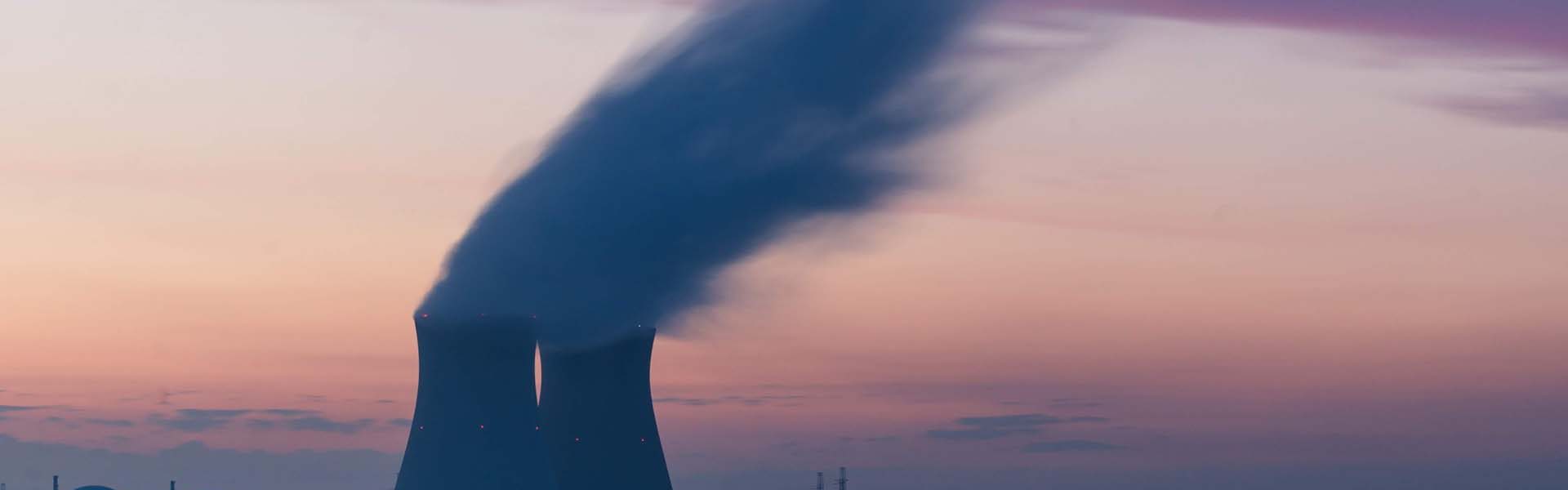
Nuclear Energy has long been discussed as a potential alternative to coal and fossil fuels, because it is more clean and efficient. However, it has also long been the source of controversy with the Chernobyl Nuclear Accident in Ukraine in the 1980s, and the Fukushima Accident in 2011. The way nuclear energy works is by splitting atoms to produce heat energy which spins a turbine. All sources of energy are created by spinning a turbine. A great example of this is wind energy and windmills, and the turbine is easily seen. According to the Department of Energy, nuclear energy provides for improved air quality because it doesn’t emit any air pollutants. Secondly, it is the number 1 most efficient form of green power, because it produces more electricity on the least amount of space. Lastly, it doesn’t produce a ton of waste. People have always wondered where nuclear waste should be stored, but I think that it is less of a problem if the systems are maintained well. If the power plant is maintained well, disasters like Fukushima won’t happen, and there won’t be a panic about where to dump the excess radiation. Some of the biggest problems that remain with nuclear power, however, is that it is simply too expensive. Investors and public interest remained low because of the two disasters that happened, in addition to fossil fuels being cheaper. There is some good news though because recently, the US Nuclear Regulatory Commission (NRC) approved a new reactor called the Small Modular Reactor (SMR), which the company claims that it provides more efficient and cheaper nuclear energy. But, it’s been criticized by some scientists, claiming that it’s too expensive and not safe enough. In my opinion though, we only have about 7 more years before Earth can no longer recover from climate change, and no matter the cost and testing, something needs to change about the way we look at and use energy.


More from this show

As life returns to normal, leaders of companies across the world are facing one question: whether to allow workers to continue working at...

Recently, the United States Senate passed a bill that would keep Daylight Savings Time (DST) permanent starting from 2023. Often, the order...
Hi everyone, welcome back to 90 Second STEM, I’m Michael Tung, I will be your host for the last episode of 2021. Before we get started I...