
Hi everyone, welcome back to 90 Second STEM, I’m Michael Tung, I will be your host for the last episode of 2021. Before we get started I would just like to apologize for being away for quite some time: college applications took up a large chunk of my time over the last few months. Just like last year, we are going to be going over some top inventions of the year. This year’s source will be provided by TIME Magazine, where they list their Top 100 inventions of the year. I’ll be ranking and discussing 10 of them today. So let’s get started!
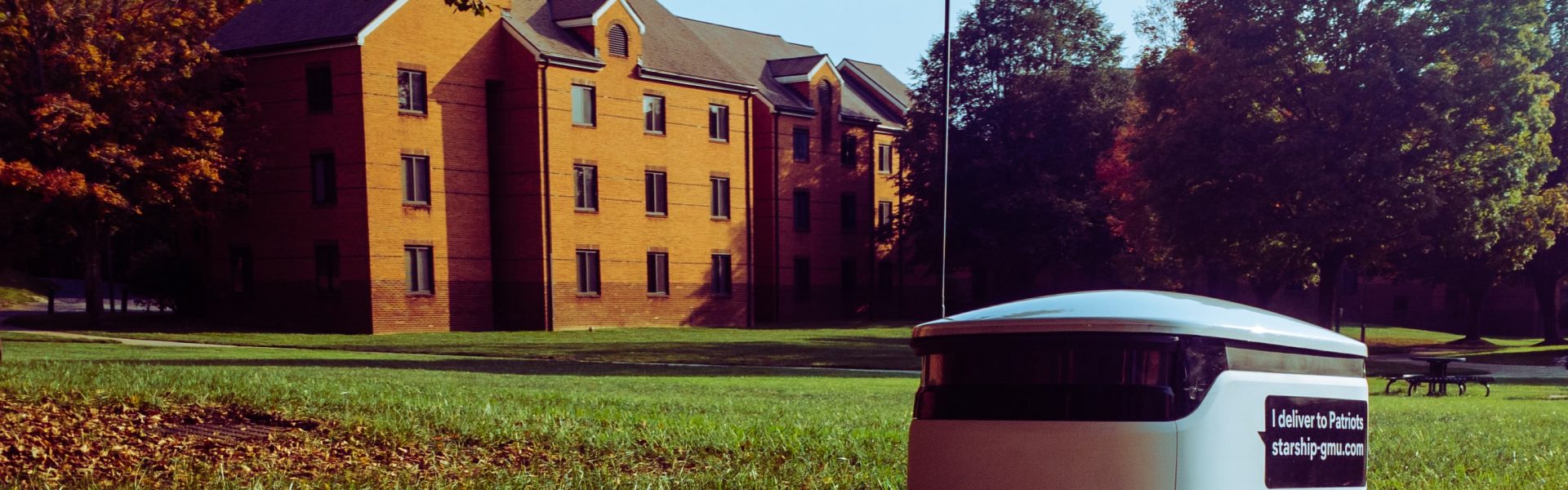
Number 10 is going to be the self driving delivery robots. These robots are most often seen on university campuses and can be seen driving around with the pedestrian population on the sidewalks. With the pandemic, the demand for food delivery services have reached a maximum. The Nuro R2 robot has 360 degree camera, radars, and sensors that allow them to travel up to 25 miles per hour. I think one of the reasons robots like the R2 have largely started in college campuses is because it’s more logistically easy to navigate around with plenty of sidewalks for the robots to travel on.
At number 9 is the Google Maps Live View feature. One of the most difficult things when trying to navigate somewhere with Google Maps is being inside of a building. Live view uses your phone camera to point you in the right direction so that you know exactly where to go. This feature is especially useful in foreign countries, train stations, airports, and even shopping malls. Google is currently still working towards expanding the system.
Next up is the VICIS Zero2 Trench football helmet. The idea is to give linemen on both sides a better head protector, as they are most prone to sustain head injuries when playing. Designers added a plastic on the outside of the helmet to absorb force, and this method has been proven to reduce injuries among studies. Many college and professional teams across the country have placed orders for the helmet.
At number 7 is the Sphero indi: a no screen kit that allows children to learn how to code. The goal is to get kids accustomed to the ideas of pattern recognition and problem solving. The tool works by having four different blocks with each block having a command like “turn” or “move forward”. The idea is to drive a toy car to its destination by using the four blocks to guide it there. I think that it’s a good product to introduce kids to coding principles while still keeping them interested and engaged.
At number 6 is the automated inspection of wildfires and natural disasters. Percepto’s AIM (autonomous inspection & monitoring solution) offers a solution to catch and prevent potential wildfires from power lines and other electrical infrastructure. The program sends out drones and robots to inspect these structures more effectively and more frequently. The drones will then record data and report back to experts who will determine if the infrastructure needs to be repaired or not.
At number 5 is a space saving wheelchair called the Revolve Air. The Revolve Air is supposed to take up 60% less space than a normal wheelchair, and it is designed to even fit into an airplane storage compartment. The design will make it more versatile and practical for disabled individuals to travel.
Coming up next is Robin the Robot, a compassionate companion for children who have anxiety and/or may be alone for an extended period of time. The goal of this product is to reduce loneliness and anxiety by having the robot talk to the child in a machine learning way. Robin is designed to learn a child’s emotions, play games, and have simple conversations with the child.
In third place is ElectReon, which is a company that is aimed towards charging electric cars while on the road. The idea is to have electric chargers sitting underneath the road that will charge your electric car, similar to how wireless chargers work with your phone.
The runner up for the top inventions of 2021 in my opinion is Reeddi’s grid free electricity. The prime idea for this invention is to provide high amounts of electricity to regions who have no broad access to electricity, like in many parts of Nigeria, where the founder is from. Founder Olugbenga Olubanjo’s product provides a solar powered battery that can charge TVs and other electronic devices, for only 50c per day.
Some honorable mentions before we get to the most important invention of 2021 is Abbott’s COVID-19 at home testing kits, In-telligent BuzzBell which provides specific vibrations or sounds depending on the urgency of a text, and the Watershed carbon cutter which provides companies a tool to help them cut carbon emissions.
And the number 1 most important invention of the year is the COVID-19 vaccine. This invention has the most impact on the most people throughout 2021, which is why it earns the title of most important invention of 2021.
That’s all for this episode of 90 Second STEM. Let me know which inventions you liked, and if you want to see all of the inventions, head over to TIME where you can see all 100 listed. New podcast episodes will come soon, thanks for tuning in. Hope to see you next time!