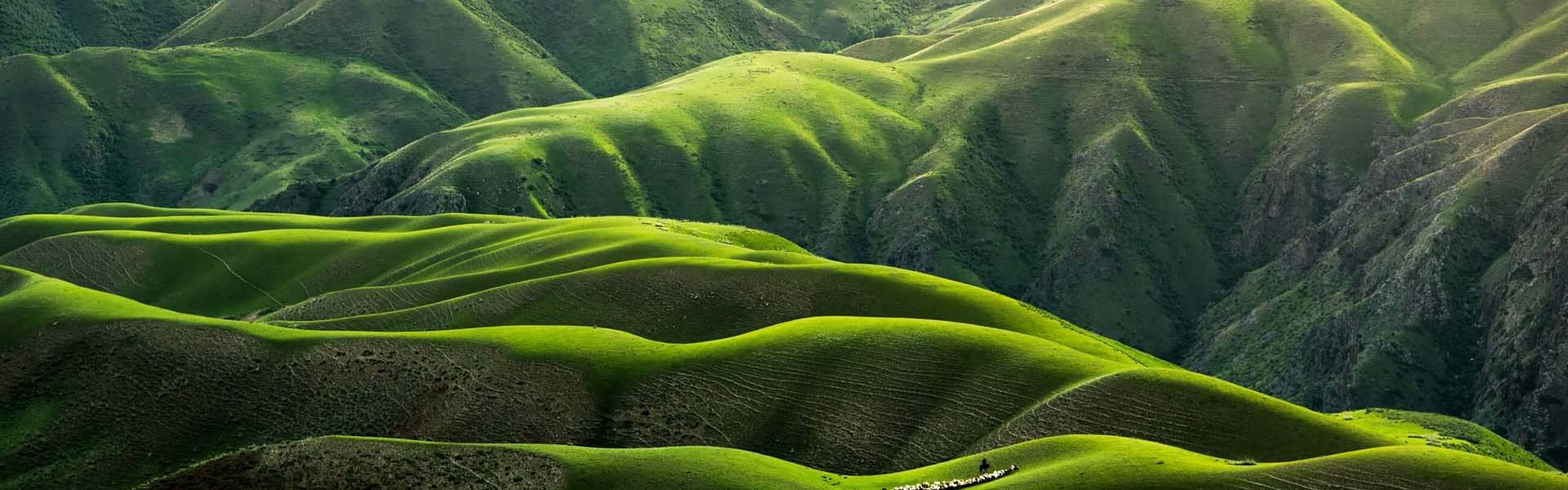
Hello Everyone and welcome back to 90ss, I’m Michael Tung and I will be your host today. A couple of housekeeping things for the podcast, I want to focus more on STEM related issues, rather than science in general. Most things will be related back to this new topic. In doing so, Science in “90 Second Science”, will be changed to STEM. Now that that is out of the way, let’s talk about Photogrammetry. Photogrammetry allows for engineers and designers map and create 3D objects for their projects. There are two different types of Photogrammetry, one of which is aerial Photogrammetry where photographs are taken from the sky. The photos can be of anything, from tall urban buildings to rural areas and the landscape. If a person is taking a picture of a building, it could help with city zoning and civil engineering applications on where road systems should be placed. It could also be used in a military aspect, to help gain a better understanding of locations of buildings and the geography of the military zone. Aerial photogrammetry is also used to track weather patterns and the evolution of climate change, by taking and analyzing photos of the environment and seeing how they progressed; for example, a scientist could look at water levels of a lake to see if it is drying up or grass in a field to see if the grass is growing healthily or is dying. The second type of Photogrammetry is Terrestrial photogrammetry. Unlike aerial photogrammetry, terrestrial photogrammetry is when the photos are taken from the ground. A big part of this type of photogrammetry is to measure the distance between two objects. With different objects comes different approach angles and different shots that are required to take so that an accurate representation could be given to the engineer or the scientist. Photogrammetry allows for STEM based researchers to make accurate predictions and advance in their research based on photographs taken. It can be applied to all different aspects of science, and will be a big part in scientific advancements in the world.


More from this show

As life returns to normal, leaders of companies across the world are facing one question: whether to allow workers to continue working at...

Recently, the United States Senate passed a bill that would keep Daylight Savings Time (DST) permanent starting from 2023. Often, the order...
Hi everyone, welcome back to 90 Second STEM, I’m Michael Tung, I will be your host for the last episode of 2021. Before we get started I...