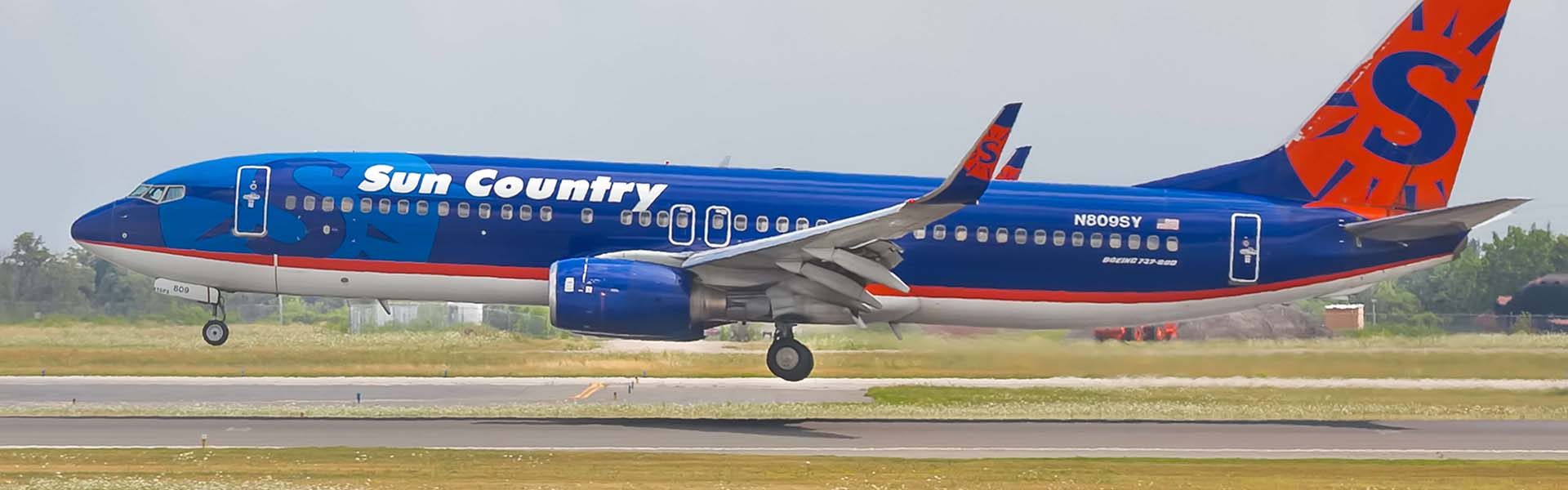
Many have heard of the 737 MAX and that it played a key role over the deaths of hundreds of people from two plane crashes. What most don’t know, the engineering aspect of why the two flights crashed. Single-aisle planes are in hot demand right now for airlines. When Airbus updated their A320 engine to make it more fuel-efficient while making as minimal changes as possible, Boeing had to follow suit to avoid falling behind on competitors. Airbus created a so-called “turbofan” engine, that would increase the size of the engine while decreasing the amount of fuel it eats. In response to this, Boeing moved their engine higher than what its original ground clearance was to make similar changes to their engine. With these changes, its orders soared from 150 in 2011 to 914 in 2012. However, the issue with moving the engine up was that it messed with aerodynamics that kept the plane flying like all other 737s. This new MAX model upon takeoff could more easily stall because its nose position would be too high. To solve this problem, Boeing implemented MCAS (Maneuvering Control Augmentation System) that would bring the plane’s nose down if the angle of attack (AOA), the degree of the plane’s nose, was too high. Because Boeing never mentioned the MCAS in its update for pilots, many went into the cockpit without going through proper training for the MCAS system. In Lion Air flight 610, altitude data shows the plane’s altitude repeatedly dipping while the pilots fought it up before it crashed into the Java sea. In wake of all this, almost all Boeing 737 MAX planes have been grounded and Boeing has issued a “software update” for the system, that allegedly thought the AOA was higher than it actually was.


More from this show

As life returns to normal, leaders of companies across the world are facing one question: whether to allow workers to continue working at...

Recently, the United States Senate passed a bill that would keep Daylight Savings Time (DST) permanent starting from 2023. Often, the order...
Hi everyone, welcome back to 90 Second STEM, I’m Michael Tung, I will be your host for the last episode of 2021. Before we get started I...